October 26, 2026
A healthy lawn requires consistent attention throughout the growing season. Grass responds to changing temperatures, rainfall, soil conditions, and everyday foot traffic. Without regular maintenance, small concerns such as thinning patches, weeds, and uneven growth can become harder to manage. A dependable lawn care routine supports healthy grass, improves the appearance of outdoor spaces, and helps homeowners recognize developing problems early. Mowing practices, soil conditions, watering habits, and seasonal adjustments all influence how a lawn performs. For many homeowners, a reliable schedule also creates greater confidence in their outdoor maintenance decisions. Understanding the benefits of regular attention can help homeowners protect their landscapes and make maintenance more manageable over time.
1. Encouraging Stronger Grass Growth
Healthy grass depends on consistent conditions that support its natural growth cycle. Appropriate mowing, sufficient moisture, and available nutrients help grass develop roots and maintain coverage. When maintenance becomes irregular, sections of a lawn may grow unevenly or thin out. These weak areas leave more space for weeds to establish themselves. Grass that grows excessively tall can also shade its lower leaves, making recovery more difficult after an aggressive cut. Maintaining a suitable height helps preserve healthy leaf growth and a more uniform appearance.
Professional lawn care services can help homeowners develop routines that match the grass variety and local growing conditions. Different grasses respond differently to mowing height, temperature, and seasonal moisture. A maintenance plan should reflect those differences rather than follow the same approach throughout the year. Regular observation also helps identify stressed areas before damage spreads.
2. Maintaining a Consistent Mowing Schedule
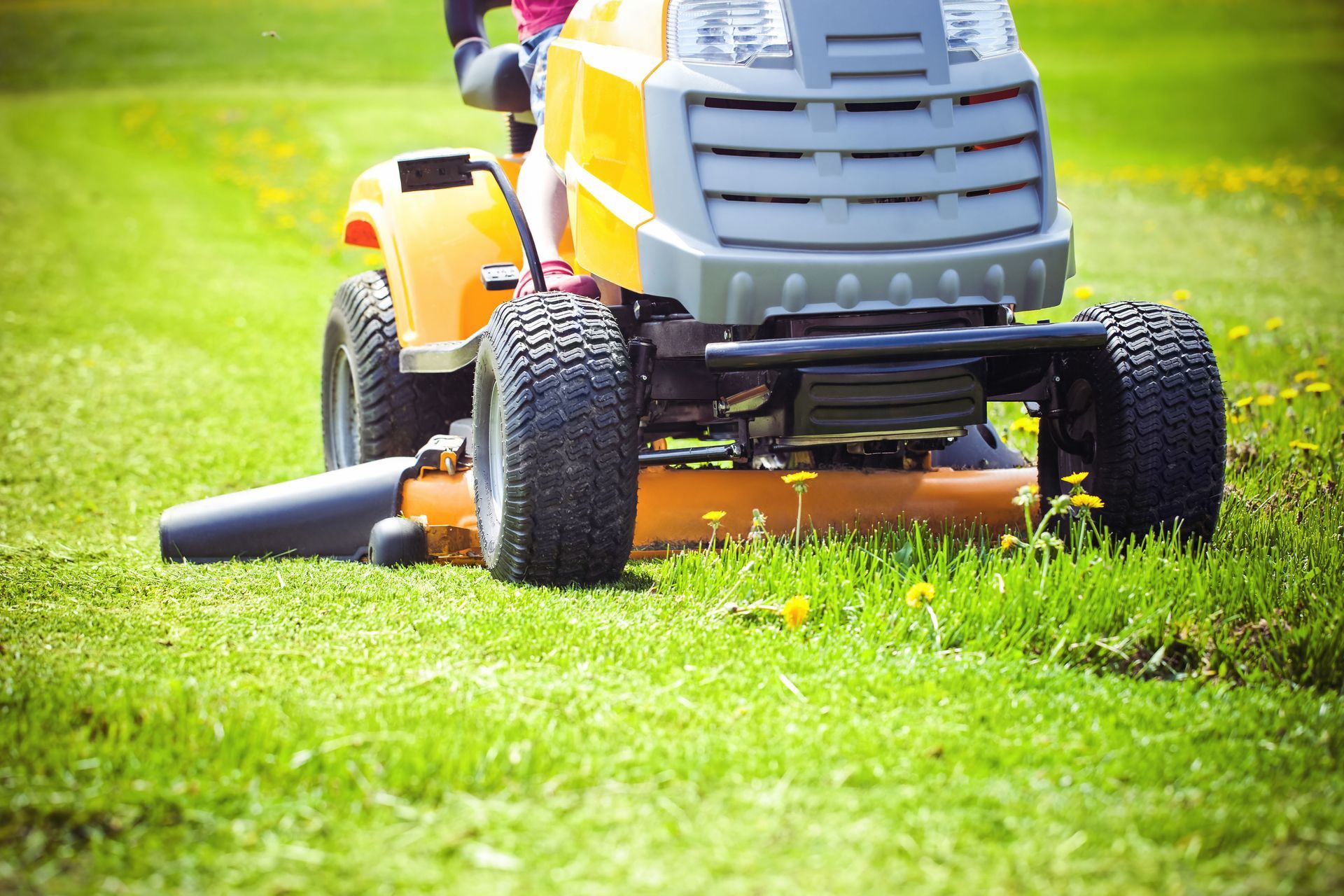
Mowing has a direct influence on the health and appearance of residential grass. Cutting too short removes valuable leaf tissue and may expose soil to excessive sunlight. Waiting too long between cuts can create another problem when a large portion of each blade must be removed at once. A predictable mowing schedule helps maintain an appropriate height without placing unnecessary stress on grass.
According to HomeGuide, during the peak growing season, lawns typically require mowing every one to two weeks. Actual frequency depends on rainfall, grass variety, temperature, and growth rate. Professional lawn care providers can adjust mowing intervals when growth speeds up or slows down. They can also vary mowing patterns and monitor areas that need extra attention.
3. Limiting the Spread of Unwanted Weeds
Weeds compete with grass for water, sunlight, nutrients, and available growing space. Thin lawns provide openings where unwanted plants can establish themselves, particularly after periods of drought or heavy foot traffic. Once established, they can become difficult to remove without disturbing nearby grass. Maintaining dense coverage is therefore an important part of preventing recurring weed problems.
Routine maintenance allows homeowners to spot unwanted growth while affected areas remain small. Proper mowing and watering can strengthen desirable grass and help it compete more effectively. Depending on the weed type, removal methods may include hand pulling, targeted treatments, or changes to underlying maintenance practices. Professionals can help identify the plants involved and recommend suitable management options.
4. Improving Soil Conditions and Nutrient Balance
Soil provides the foundation that supports grass roots and supplies essential nutrients. Compacted soil restricts movement of air and water, making it harder for roots to develop. Nutrient deficiencies can also contribute to pale coloring, slow growth, and thinning patches. Because these symptoms may have several causes, applying fertilizer without understanding soil conditions does not always solve the problem.
A thoughtful lawn care program may include soil testing, aeration, or fertilization when appropriate. Testing can reveal nutrient levels and pH conditions that influence how effectively grass uses available resources. Aeration can help relieve compaction in suitable soils, while carefully selected fertilizer can address identified deficiencies. Timing and application rates should match the grass type and local conditions.
5. Managing Water More Effectively
Grass needs adequate moisture, but excessive watering can be as troublesome as drought. Too little water may cause discoloration, slow growth, or dormancy. Too much can leave soil saturated, encourage runoff, and create conditions favorable to certain diseases. Requirements vary according to grass type, rainfall, soil texture, and seasonal temperatures. Monitoring actual conditions helps prevent waste and unnecessary stress.
Regular maintenance provides opportunities to check dry spots, pooling water, and differences in grass growth. Professionals may suggest changes to irrigation timing, sprinkler coverage, or drainage practices based on what they observe. When conditions allow, deeper and less frequent watering can encourage roots to extend into the soil. However, the best approach depends on the property and its grass variety.
6. Recognizing Pest and Disease Concerns Early
Insects and lawn diseases can affect grass before homeowners understand what is happening. Brown patches, thinning sections, irregular discoloration, and damaged roots may signal developing trouble. Treating the wrong cause may waste time and money while allowing the actual problem to continue. Paying attention to changes in appearance makes it easier to investigate concerns before larger portions of the yard are affected.
Consistent lawn care makes these changes easier to notice because the grass is observed regularly. Professionals can examine affected sections, consider recent weather, and identify conditions that may contribute to damage. Recommendations might involve modifying irrigation, improving airflow, adjusting mowing practices, or applying targeted treatments when justified. Early action can help limit the affected area and protect surrounding grass.
7. Enhancing the Appearance of Outdoor Spaces
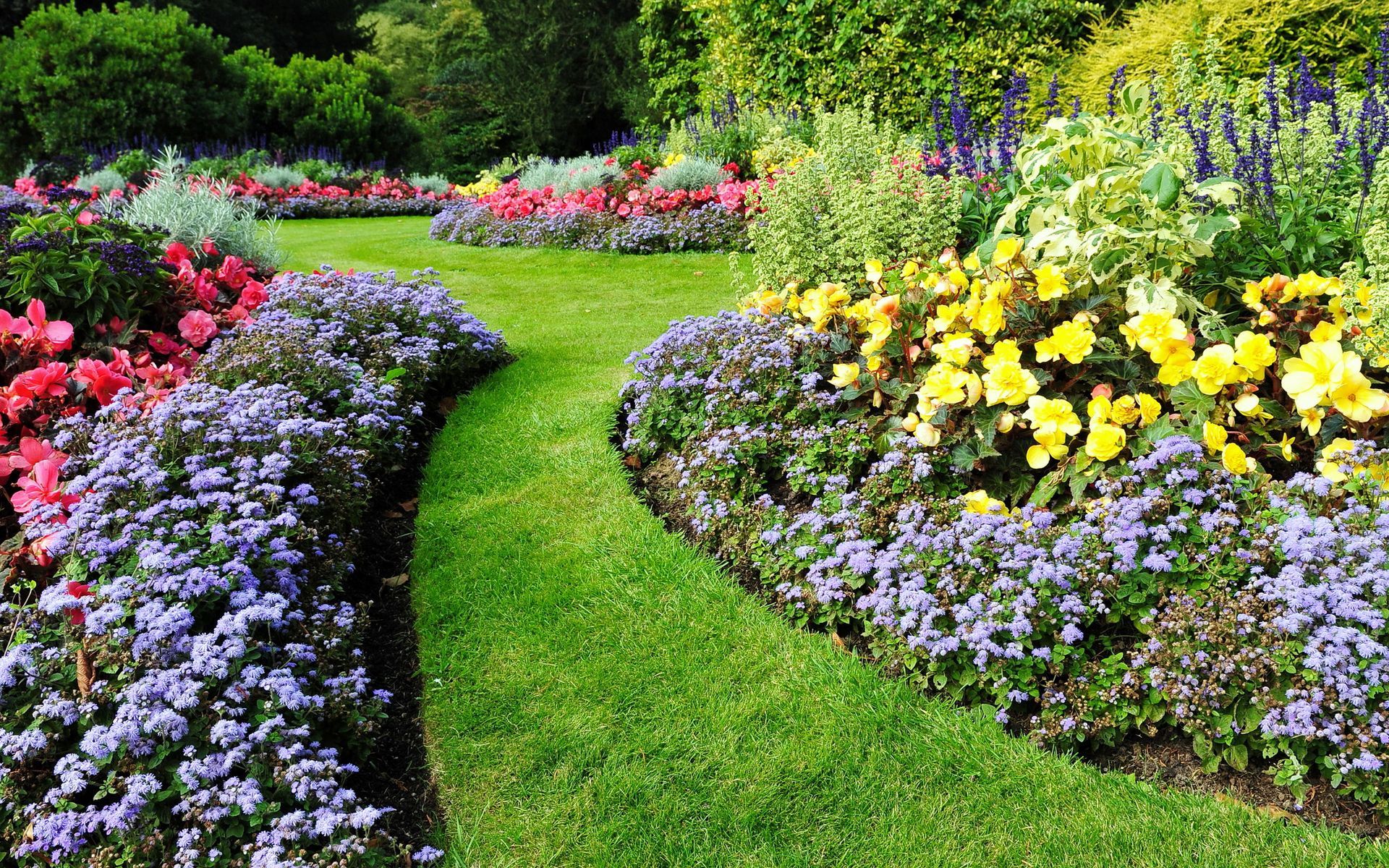
A well-maintained lawn contributes to a property's overall presentation. Even grass height, defined edges, and consistent coverage create a tidy setting for trees, flower beds, walkways, and outdoor seating areas. By contrast, overgrown sections and bare patches can make the landscape look neglected even when other features are attractive. Regular attention helps the lawn complement the home's exterior rather than distract from it.
Routine mowing, trimming, and edging help maintain a consistent appearance through changing seasons. These services are particularly useful before gatherings, celebrations, or property showings, when the yard becomes more visible to others. Homeowners can also monitor how shaded areas and heavily used paths affect the grass. Adjusting maintenance to these conditions helps keep the landscape looking balanced.
8. Reducing Future Maintenance Difficulties
Delaying routine work often turns manageable lawn problems into more demanding projects. Weeds may spread into open soil, compacted areas may become harder to restore, and thinning grass can leave sections vulnerable to erosion. When damage becomes extensive, recovery may require reseeding, soil improvements, or other corrective services. These projects can take more time and money than addressing the underlying concern early. Regular upkeep helps homeowners avoid accumulating problems that interfere with normal yard use.
Establishing a dependable lawn care schedule makes seasonal maintenance easier to plan. A professional can recommend mowing intervals and identify when additional services, such as aeration or fertilization, may be beneficial. The schedule should remain flexible because growth and weather conditions change throughout the year. Consistent attention supports a healthier landscape and reduces the likelihood of unexpected maintenance challenges.
Regular maintenance helps protect the health, appearance, and usefulness of residential lawns. Appropriate mowing, balanced watering, healthy soil, and timely attention to weeds or pests work together to support stronger grass. These practices also make it easier to notice small concerns before they develop into costly problems. Because every yard has different conditions, maintenance should reflect its grass variety, soil characteristics, sunlight, and seasonal weather. Working with experienced professionals can help homeowners establish a realistic schedule and select services that address their property's needs. Whether the goal is a more attractive exterior or a comfortable space for outdoor activities, consistent care offers practical benefits throughout the year. For professional lawn maintenance and dependable service, contact Beck Lawn Care today.