July 15, 2026
Lawn care is an essential factor in maintaining vibrant, resilient, and aesthetically pleasing green spaces that enhance our properties. Beyond pure aesthetic purposes, healthy lawns contribute significantly to regional environmental health, improve air quality, mitigate soil erosion, and enhance the overall ecological balance in both residential and commercial areas. Today, professional lawn care companies employ a range of scientifically backed practices, agronomic principles, and innovative technologies to keep turfgrass healthy and free from aggressive, unwanted weeds.
This comprehensive article delves into the core methodologies that these modern companies utilize to ensure that lawns remain lush, functional, and vigorous year-round. From diagnosing complex soil health issues and implementing multi-tiered weed control strategies to optimizing localized moisture levels and executing precise fertilization, the approaches are highly diverse. Let us explore the specialized strategies leveraged by experts to protect, fortify, and nurture these vital, verdant landscapes that frame our daily lives.
Understanding Soil Health
Soil health is the absolute foundational aspect of successful turfgrass management. Professional lawn care companies typically begin their comprehensive lawn assessments by conducting detailed core soil tests to scientifically evaluate the subterranean composition and baseline quality of the ground. This diagnostic step involves gathering multiple core samples across the property to analyze macronutrient levels (such as nitrogen, phosphorus, and potassium), secondary micronutrients, soil pH levels, and the overall textural classification of the subsurface earth.
Identifying hidden nutrient deficiencies or severe chemical imbalances helps specialists develop highly precise, targeted fertilization plans tailored to your property. By doing so, lawn care professionals ensure that the turfgrass receives custom treatments for robust, uniform growth rather than relying on generic, over-the-counter fertilizers that can harm local ecosystems.
Furthermore, advanced soil analysis provides critical insights into the soil’s natural water retention capacity and its current percentage of organic matter. A soil rich in microbes and well-decomposed organic matter tends to possess an optimal structure for strong root development. Recognizing these distinct baseline elements allows professionals to make highly informed decisions regarding which structural amendments are necessary. This proactive, data-driven approach not only optimizes the long-term nutrient supply to the root zone but also creates a highly conducive environment for beneficial soil microbial life, enhancing natural biological fertility.
Through these meticulous testing processes, lawn care companies empower themselves to foster healthier, deeper root systems that naturally ward off disease. The results from these tests frequently lead to immediate adjustments in seasonal cultural practices to alleviate environmental stress factors. If the soil lacks adequate structural composition, the turfgrass will exhibit restricted vertical growth and a high vulnerability to opportunistic broadleaf weeds.
Amending Subsurface Composition
Once thorough soil testing and initial scientific analysis are complete, the next phase involves actively amending the soil composition to optimize its physical and chemical properties. High-quality organic matter, such as fully mature compost, humic acids, or bio-solids, is systematically integrated into the earth to enhance the overall soil matrix. This intentional addition directly improves the soil's capacity to lock onto, store, and gradually supply essential nutrients over extended periods, preventing the leaching of valuable inputs into regional watersheds.
Furthermore, structural soil amendments lead to dramatically improved aeration, allowing dense root networks to breathe, expand, and absorb groundwater efficiently. Effective amendments promote healthier, thicker turf coverage across the entire footprint of the lawn.
Incorporating top-tier organic matter impacts long-term soil fertility and strengthens the landscape’s defense against natural wind erosion, surface runoff, and heavy foot-traffic compaction. By ensuring an optimal topsoil structure, professionals can easily prevent the specific bare, dry conditions that favor aggressive weed seed germination.
Amending the soil is an ongoing, multi-season process that requires continuous assessment of seasonal requirements. For instance, when treating ornamental beds and transitional landscape edges adjacent to the grass, adding clean mulch is a highly recommended practice. According to Bob Vila, two to three inches of mulch can reduce weeds and maintain moisture. Timely mulching and soil amendment practices form an integral strategy by which lawn care companies maintain immaculate lawn health.
Proper Drainage, Aeration, and Moisture Balance
Excellent drainage is vital in preventing seasonal waterlogging, which creates stagnant conditions that cause root rot, fungal pathogens, and insect infestations. Lawn care companies evaluate the property's natural topography to address pooling zones. Efficient drainage ensures that excess storm runoff does not accumulate on the lawn, maintaining a delicate hydrological balance that permits grass roots to flourish.
To solve severe drainage problems, professionals may design and install French drains, catch basins, or perform strategic yard regrading to divert surface water away from vulnerable low-lying zones.
In tandem with drainage management, mechanical core aeration is deployed to counteract severe soil compaction caused by heavy lawnmowers and daily foot traffic. Compacted soil restricts oxygen movement and locks out moisture, suffocating the turf. Using specialized machinery, lawn care companies pull plugs of soil from the lawn during the peak spring or fall growing seasons.
This mechanical process creates clear channels for water, oxygen, and nutrients to penetrate deep into the root zone, facilitating rapid root elongation and turf vigor. Finally, balancing moisture through scheduled, deep irrigation audits ensures that the grass remains perfectly hydrated through hot summer spells without the risks of wasteful over-watering.
Implementing Effective Weed Control
Pre-emergent herbicides are an invaluable tool utilized by lawn care companies to stop weed infestations before they ever become visible. These specialized treatments work by forming an invisible, highly effective chemical barrier within the top fraction of the soil layer. When dormant weed seeds attempt to germinate and send out their initial root radicles, they come into contact with this barrier and are stopped.
Furthermore, these treatments require light rainfall or scheduled irrigation immediately following application to activate the active ingredients within the soil matrix. By using pre-emergents strategically, companies save property owners considerable money, labor, and stress by eliminating infestations at their absolute source.
When mature weeds manage to breach the pre-emergent barrier or sprout from deep perennial roots, lawn care companies utilize selective post-emergent herbicides to eliminate them. These products are chemically formulated to target specific invasive species without causing any yellowing or harm to the surrounding turfgrass species
Cultural and Mechanical Weed Prevention
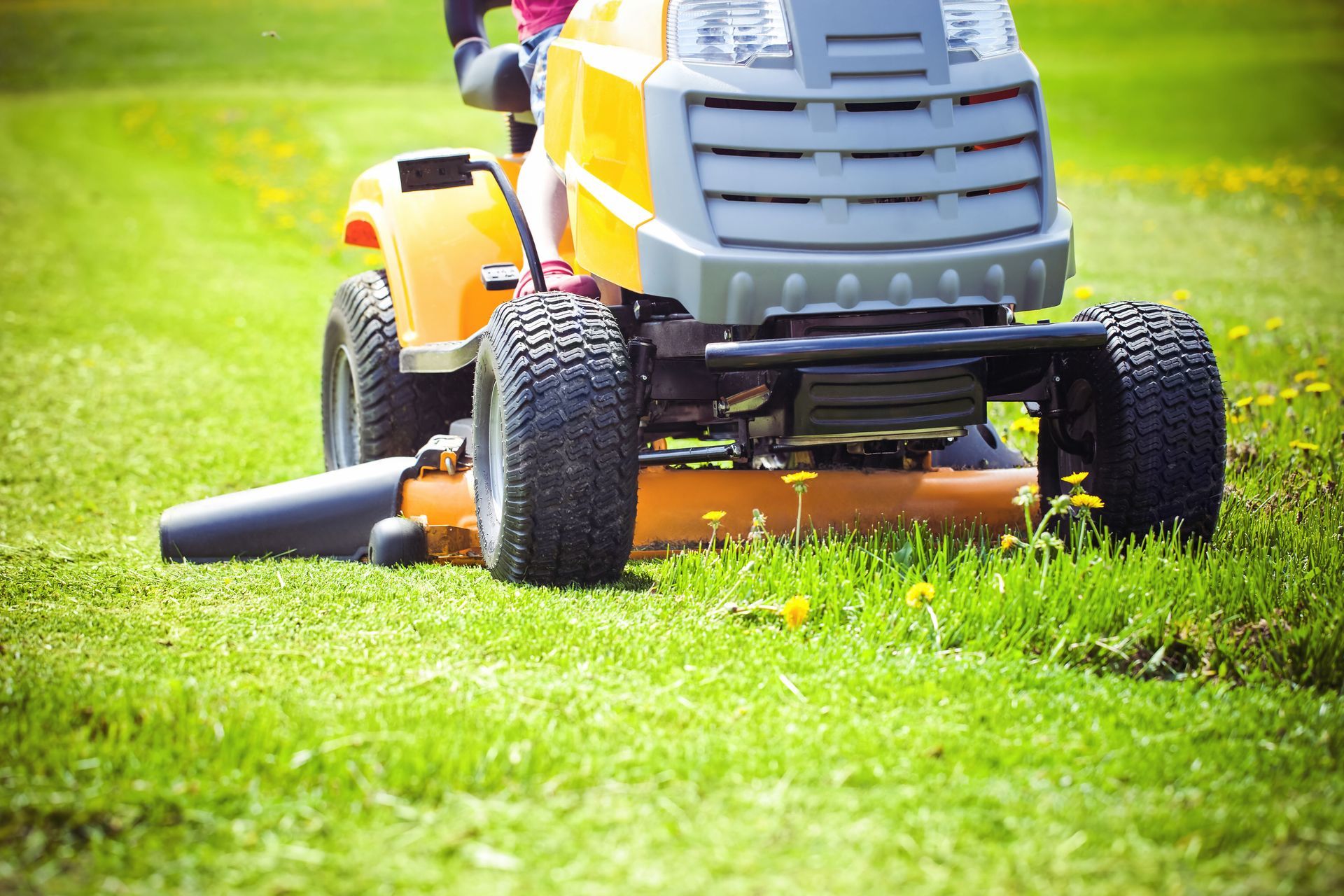
Beyond relying solely on liquid control products, top-tier companies leverage cultural and mechanical practices as the primary shield in an integrated pest management program. Regular, professional mowing is one of the easiest ways to suppress weed encroachment. Maintaining an optimal mowing height—typically between three and four inches for cool-season grasses—allows the grass blades to shade the soil surface, blocking the sunlight that underlying weed seeds need to wake up and grow.
Overseeding is another vital cultural practice used to build a thick, dense lawn that leaves no room for weeds to colonize. By spreading premium, weed-free grass seed over thin or damaged areas in the autumn, companies create an incredibly dense turf structure. This dense root and canopy network completely outcompetes weeds for sunlight, moisture, and fertilizer.
Additionally, mechanical weed removal—manually extracting deep taproot weeds with specialized hand tools—is used around delicate gardens or properties seeking a low-chemical maintenance program. Combining mechanical removal with cultural excellence allows companies to maintain weed-free landscapes through sustainable methods.
Maintaining a healthy, vibrant, and completely weed-free yard requires structural consistency, technical expertise, and seasonal care. From diagnosing hidden soil deficiencies and relieving compaction to executing perfectly timed pre-emergent barriers and custom slow-release fertilization, the specialized knowledge possessed by experienced professionals ensures long-term property equity and beautiful, relaxing outdoor environments. When you are ready to achieve a flawless, deeply rooted, and resilient lawn without any of the weekend hassle, trust the premier local experts at Beck Lawn Care to beautifully transform your landscape.